Powering Somalia: The $850 Million Energy Opportunity

Powering Somalia: The $850 Million Energy Opportunity
The Problem That Creates Opportunity
Somalia has some of the most expensive electricity in the world. $0.61 per kilowatt-hour. For context, that's 6x what industrial users pay in the United States. The reason is simple: 70% of the country has no grid connection. Those who do rely on fragmented, diesel-powered mini-grids run by independent operators.
This isn't just an inconvenience. It's a tax on every business, every school, every hospital. It's why manufacturing struggles. Why cold chain barely exists. Why Somalia's $2.4 billion in remittances can't easily translate into productive investment.
The government knows this. That's why energy dominates their investment pipeline. $850 million allocated to power generation, transmission, and distribution. More than aviation. More than health. Only infrastructure gets more.
For Xidig members, this is the entry point.
The Projects: Seven Paths to Power
1. Mogadishu Solar Farm — 100 MW + Battery Storage ($132M)
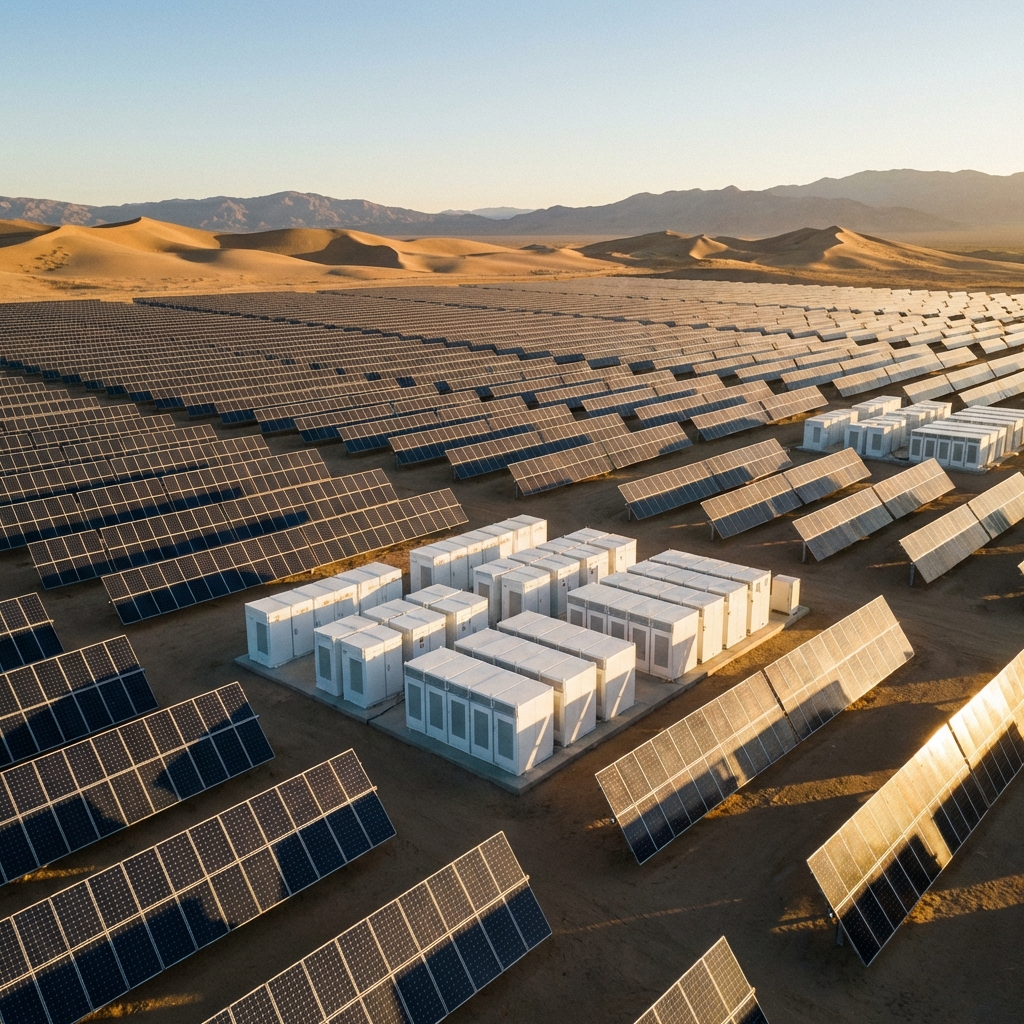
The largest renewable energy project in Somalia's history. A 100 MW solar photovoltaic plant with 300 MWh of battery storage and 120 km of transmission lines serving Mogadishu and surrounding areas.
The Numbers:
- 168 million kWh annual production
- 20-year concession period
- Target tariff: $0.30/kWh (down from $0.61)
Xidig Angle: This requires serious capital and technical expertise. Members can participate through syndication or partner with established solar developers entering African markets.
2. Off-Grid Solar — 15 Plants, 5 MW Each ($75M)
Fifteen standalone solar plants for secondary towns across Somalia's Federal Member States. Designed for towns too small for the main grid but large enough for productive economic activity.
Key Locations:
- South West State: Baidoa, Hudur, Barawe
- Jubaland: Kismayo, Beled Hawo, El Wak
- Hirshabelle: Jowhar, Beledweyne, Buloburte
- Galmudug: Dhusmareb, Galkayo, Hobyo
- Puntland: Garowe, Bosaso, Goldogob
Xidig Angle: This is the diaspora play. Every Somali abroad has a hometown. Members can sponsor "their" town's plant, combining capital with local political support.
3. Gas Processing Plant ($169.5M)
Infrastructure to process, store, and distribute natural gas from Somalia's domestic reserves. Replaces imported heavy fuel oil with cleaner, cheaper domestic energy.
Note: Somalia has known gas reserves that have never been developed. This project closes that gap.
4. HFO Power Plants — 100 MW Each, Four Cities ($450M)
Heavy fuel oil power plants for Mogadishu, Kismayo, Garacad, and Bosaso. 100 MW each. HFO provides baseload power — the reliable backbone that solar supplements.
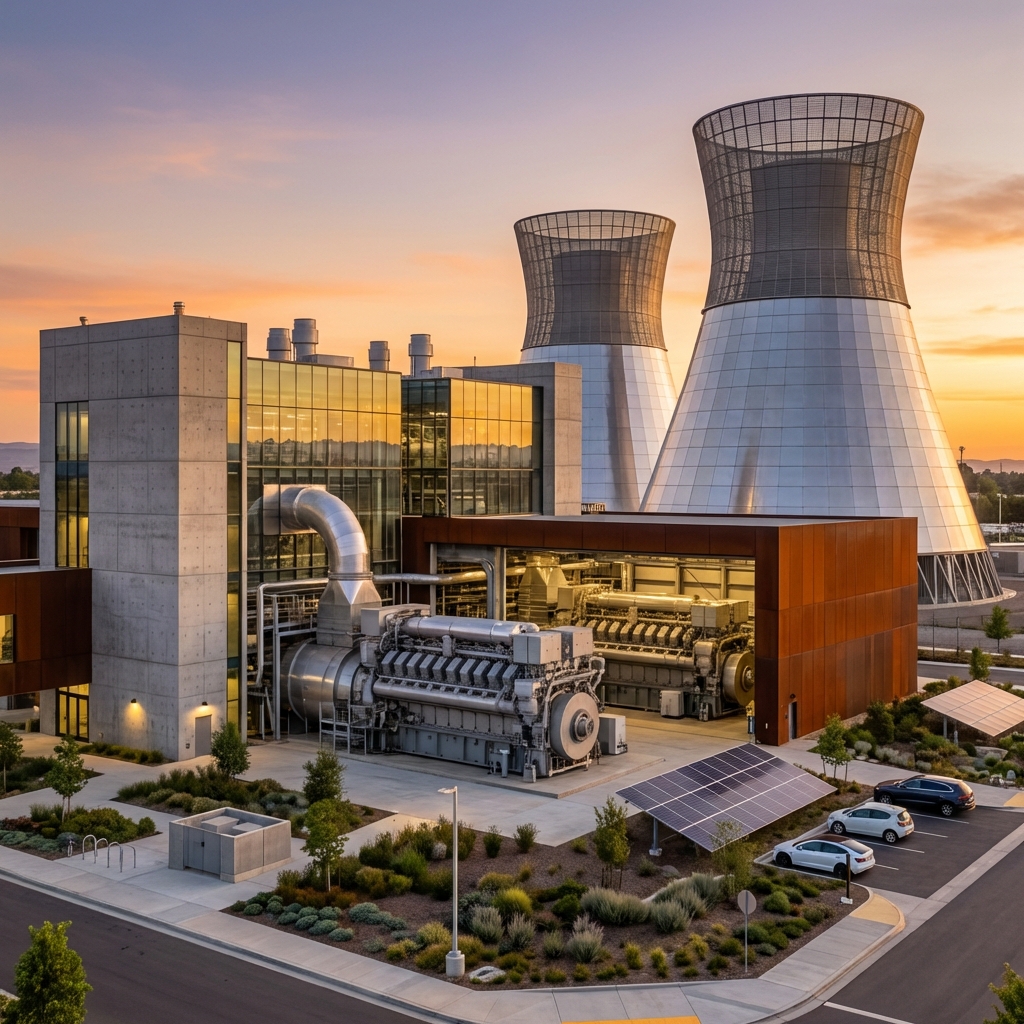
Note: Existing port infrastructure in these cities facilitates fuel import.
5. Solar Panel Manufacturing ($5M)
A manufacturing plant for solar panels and related equipment. Targets Somalia and East African markets.
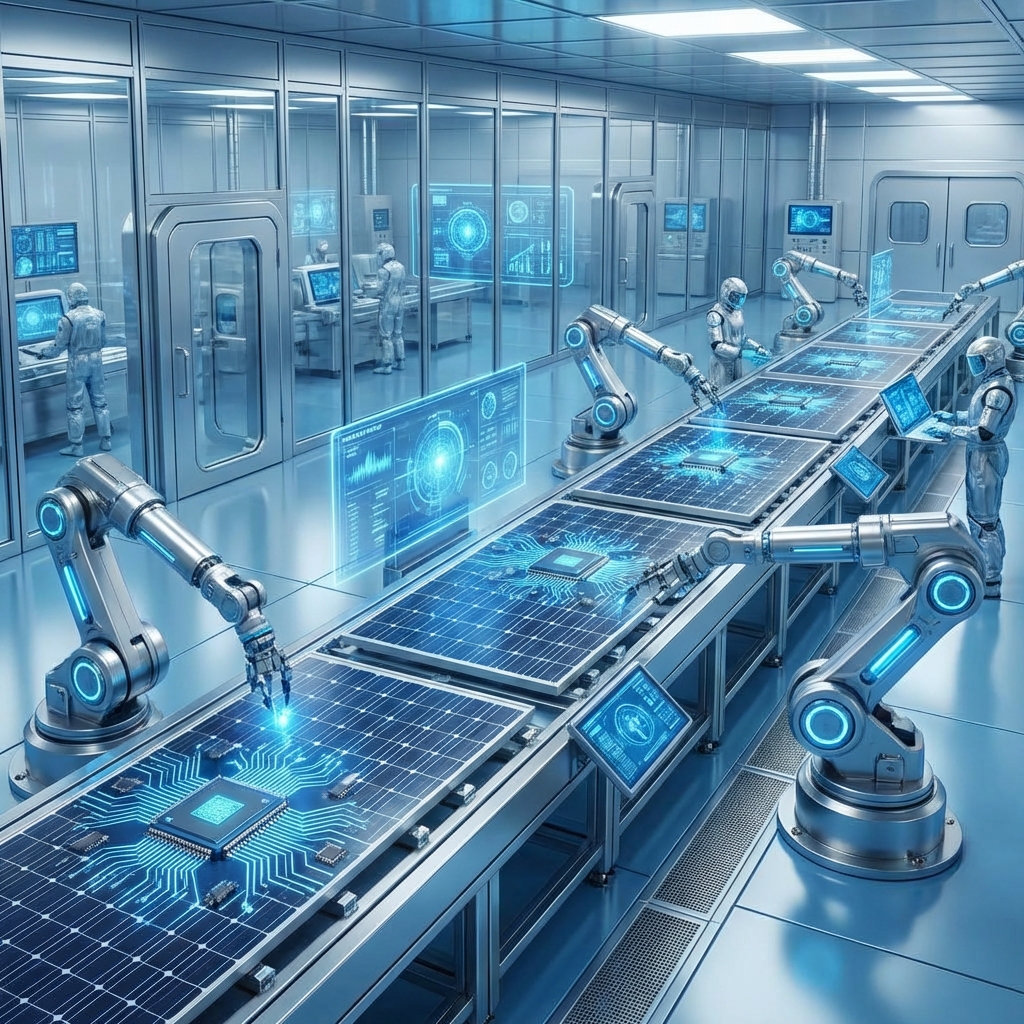
Note: Local manufacturing eliminates shipping costs and import duties. Projections include 2,900 direct jobs.
6. National Oil Company Setup ($2.1M)
Establishment of SONOC (Somalia National Oil Company) under the 2020 Petroleum Law. Exploration, refining, gas processing, trading, and local content development.
7. National Electricity Company Setup ($11.7M)
Establishment of SONEC (Somalia National Electricity Company) under the 2023 Electricity Act. Unified transmission and distribution to reduce costs from $0.61/kWh to $0.30/kWh.
The Investment Case
- Guaranteed demand: Demand grows 10-15% annually; supply can't keep up.
- Cost competitiveness: Solar at $0.10-0.15/kWh production vs. $0.61 retail.
- Government commitment: Energy is the #1 priority in the National Transformation Plan.
- Export potential: Future net electricity exporter to neighboring regions.
Risks and Mitigations
| Risk | Reality | Mitigation |
|---|---|---|
| Off-taker creditworthiness | Regional utilities have limited credit history | Government guarantees, World Bank/AFDB support |
| Currency convertibility | Somali Shilling volatile | Dollar-denominated PPAs, remittance hedging |
| Security | South Central requires planning | Insurance available, Puntland/Somaliland stable |
| Technical execution | Limited local EPC capacity | International EPC contractors, member oversight |
Xidig Member Playbook
Immediate (0-6 months)
- Assess 15 off-grid solar towns — identify hometown connections.
- Engage BECO — understand Mogadishu solar procurement timeline.
- Form solar mini-grid syndicate — pool capital for smaller projects.
Medium-term (6-18 months)
- Bid on off-grid solar concessions — diaspora + capital + local knowledge.
- Partner with international developers — bring African solar experience.
- Create energy-focused investment vehicle — dedicated fund for Somalia power.
Conclusion
Energy is the foundation. Without power, nothing else in the $3.9B pipeline works. The cold chain needs refrigeration. The hospitals need lights. The ports need cranes.
Somalia's government has allocated $850 million to fix this. The permits will flow. The off-takers are guaranteed. For Xidig members, this is where diaspora connections matter most.
The lights are coming on in Somalia. The question is who flips the switch.
Published by Xidig Economic Intelligence Research by Xidig members Data source: SOMINVEST, Ministry of Energy and Water Resources Join the waitlist: xidig.net